
"dry-processed coffee"
130 article(s) found

Ethiopia coffee production area profile Ethiopia West Dharma
Harar/Sundried/Dry-Processed Harar is located in the Eastern Highlands of Ethiopia (Haredge Province) and grows at an altitude of 5,000 - 7,000 feet. It was still wild on hillsides a century ago. Most raw beans are medium in size and pointed at both ends. The color is green with yellow or gold. When baked, it has a strong chocolate smell.

Brief introduction of main producing areas of Ethiopian Coffee
Hara (Harar) / Solar or dried (Sundried/Dry-Processed) Hara is located in the Eastern Highlands of Ethiopia (Harerge Province) and grows between 5000 and 7000 feet above sea level. It was still wild on slopes a century ago. Most of the raw beans are medium size and have long tips at both ends, with a yellowish or golden green color and strong chocolate when baking.
A brief introduction to the main producing areas of delicious Ethiopian coffee
Hara (Harar) / Solar or dried (Sundried/Dry-Processed) Hara is located in the Eastern Highlands of Ethiopia (Harerge Province) and grows between 5000 and 7000 feet above sea level. It was still wild on slopes a century ago. Most of the raw beans are medium size and have long tips at both ends, with a yellowish or golden green color and strong chocolate when baking.
A brief introduction to the main producing areas of coffee beans in Ethiopia
Hara (Harar) / Solar or dried (Sundried/Dry-Processed) Hara is located in the Eastern Highlands of Ethiopia (Harerge Province) and grows between 5000 and 7000 feet above sea level. It was still wild on slopes a century ago. Most of the raw beans are medium size and have long tips at both ends, with a yellowish or golden green color and strong chocolate when baking.

Brief introduction of main producing areas of Sidamo Coffee Bean
Following caf é (Wechat official account vdailycom) found that Beautiful Cafe opened a small shop of its own Sidamo Coffee Bean production area profile: Hara (Harar) / Solar or dried (Sundried/Dry-Processed) Hara is located in the Eastern Highlands of Ethiopia (Harerge Province) and grows between 5000 and 7000 feet above sea level. It was still wild on the slopes and raw beans a century ago.

Where can I buy raw coffee beans? how to preserve them? how to stir-fry them?
Professional coffee knowledge exchange more coffee bean information Please follow the coffee workshop (Wechat official account cafe_style) there are two main processing methods of raw coffee beans: wet processing and dry processing. In wet processing, the pulp of coffee fruit should be removed first, and then the residual mucous membrane on the inner pericarp should be removed by fermentation trough, washed with water and dried. A trial of dry processing Coffee is spread out of date in dew

Ethiopian coffee producing area
Following caf é (Wechat official account vdailycom) found that Beautiful Cafe opened a small shop of its own Ethiopian Coffee producing area has three well-known producing areas in Ethiopia, Harald (Harar), Yiragcheffe (Yega Xuefei) and Sidamo (Sidamo). Sidamo is located in the highlands of southern Ethiopia and adjacent to Kenya.
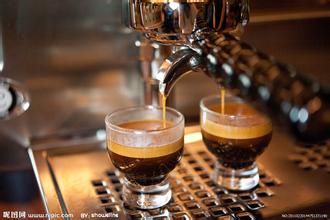
Introduction of Sidamo coffee beans growing in Ethiopia's southernmost Ethiopian plateau
Sidamo / Solar, Natural drying or washing (Sundried or Nature Dry-Processed and Washed) grows in the southernmost Ethiopian Plateau between 4600 and 7200 feet above sea level (Sidamo Province), southeast of Jima, just south of the capital, usually sweet and more popular, its annual output is about 225000bags/60kg, the bean body is smaller and greener than Longberry.
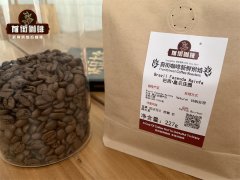
Why is the acidity of Brazilian specialty coffee relatively low?
Brazil is not only the largest coffee producer in the world, but also the most sophisticated. It turns out that everything from mass-produced coffee to the cheapest coffee in the world, to elegant coffee known as the origin of the world's best espresso brewing, has been proven. In Brazil, four different processing methods are used to remove fruit from beans, and on the same farm during the same harvest period.

The acidity of coffee introduces what kind of coffee Parisians like to drink.
(1) acidy) the primary taste associated with sweet compounds in coffee. The combination of acid and sugar in the coffee increases the sweetness of the coffee as a whole. Washed Arabica coffee growing above 4000 feet, such as Columbia Premium Coffee, has this characteristic. Sour coffee tastes from spicy (nippy) to spicy (piquant), felt by the tip of the tongue. (2) suffering
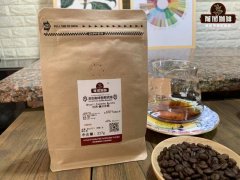
Coffee beans with low acidity are recommended for coffee beans with low acidity.
We know that coffee beans from different countries and regions will have different flavors and tastes, and the different processing methods of coffee beans are also one of the reasons, such as coffee from Ethiopia, whose acidity is good and bright. So when it comes to coffee with low acidity, Front Street Coffee's top recommendation is coffee beans from Brazil. Brazil is not only the largest coffee in the world

Coffee treatment | Tree dry treatment | introduction to the flavor and characteristics of tree dry coffee
Professional coffee knowledge exchange more coffee bean information please follow the coffee workshop (Wechat official account cafe_style) tree drying method some curry farmers deliberately let coffee berries naturally dry dried on the tree or Tree Dry-Process on the tree coming from beans harvested at a late stage, after the

How does the coffee taste sour and taste?
(1) acidy) the primary taste associated with sweet compounds in coffee. The combination of acid and sugar in the coffee increases the sweetness of the coffee as a whole. Washed Arabica coffee growing above 4000 feet, such as Columbia Premium Coffee, has this characteristic. Sour coffee tastes from spicy (nippy) to spicy (piquant), felt by the tip of the tongue. (2) suffering
The Origin of Coffee in the World an introduction to the coffee bean producing areas in Ethiopia
Ethiopia is the hometown of Arabica coffee, and it is in the forests of Kaffa that you can see wild Arabica coffee. In Ethiopian, coffee is called Bun or Buna, and coffee beans (coffeebean) may be translated from Kaffa Bun. Arabica coffee was discovered early in the Harar area and is likely to come.
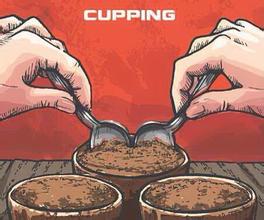
Analysis of coffee cup testing knowledge points: introduction of common terms in Chinese and English for coffee cup testing
When testing a cup of coffee, we should distinguish whether the flavor, alcohol thickness, acidity and wet aroma of the coffee are pleasant. Most cup tasters use the following criteria to judge coffee. While tasting the coffee, you should try to discern whether the flavor, body, acidity and aroma of the coffee is pleasant, or unplea
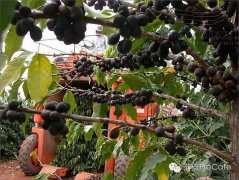
The latest coffee treatment method of Yega Xuefei in Ethiopia-- dried fruit on trees and drying in mulch
Professional barista communication please follow the coffee workshop (Wechat official account cafe_style) what is tree dried coffee? Some farmers deliberately let coffee berries naturally dry dried on the tree or Tree Dry-Process on trees, coming from beans harvested at a late stage, after the cherry ha

Yega Xuefei G1
English name: Ethiopia, Wote Konga, Natural Yirgacheffe G.1 Commodity Specification: 227g Coffee country: Ethiopian Coffee producing area: Konga Wote growing altitude: above 1850m Coffee Variety: traditional Yega native species Coffee Grade: Grade 1 treatment method:
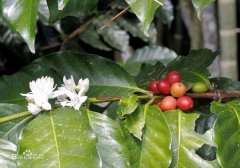
Ethiopian Harald G4 | Harald coffee is dried naturally.
Ethiopian Harald G4 | EthiopiaHarrar Grade4 Harald coffee is cultivated by natural drying between 1800m and 2500m above sea level and exported to countries around the world through the city of Dire Dawa. Because of its high popularity and low production, the price is high relative to its grade, and it is one of the most beloved premium coffee in the world.

Ethiopian Sidamo Lion King Coffee Bean Taste Flavor Description Growing Environment
Ethiopia's grading system is still very backward, so it can be divided into special grades (usually referring to washed Yirgacheffe and Sidamo)1 grade 2 grade 3 grade 4 and 5 Sidamo Province/Korate Cooperative Planting altitude: unknown green bean variety: unknown green bean treatment: sun Dr